
Is Chiropractic Care for Babies Safe?
By Lucy Bartlett (Nomad Chiropractic)
Please note all chiropractors listed on Bump & Bub Chiro have additional training in pregnancy, postpartum and paediatrics and are experts in their field.
What the research says — and what it looks like in practice
Feeding, digestion, and sleep — the holy trinity of newborn life. When one is off, they all tend to be off. And while it’s easy to assume these things will just sort themselves out, many parents find themselves stuck in a cycle of:
Shallow or painful latching
Digestive discomfort or reflux
Broken, unsettled sleep
And a baby who always seems just… off
So where does chiropractic care fit in? At Nomad, we approach these challenges not as isolated problems, but as signs of how well the nervous system is functioning — and how the baby is processing the world around them.
“Is it safe?” It’s one of the first questions we get asked — and one of the most important:
“Is it actually safe to take my baby to a chiropractor?”
At Nomad Chiropractic, we take that question seriously. And our answer is simple:
Yes — when delivered by a trained, qualified practitioner, chiropractic care for infants is extremely safe.
Let’s break that down with both research and real-world insight.
🧸 First, what does “chiropractic” mean for babies?
Infant chiropractic care is not the same as adult care. There is:
No cracking
No forceful manipulation
No abrupt movement or discomfort
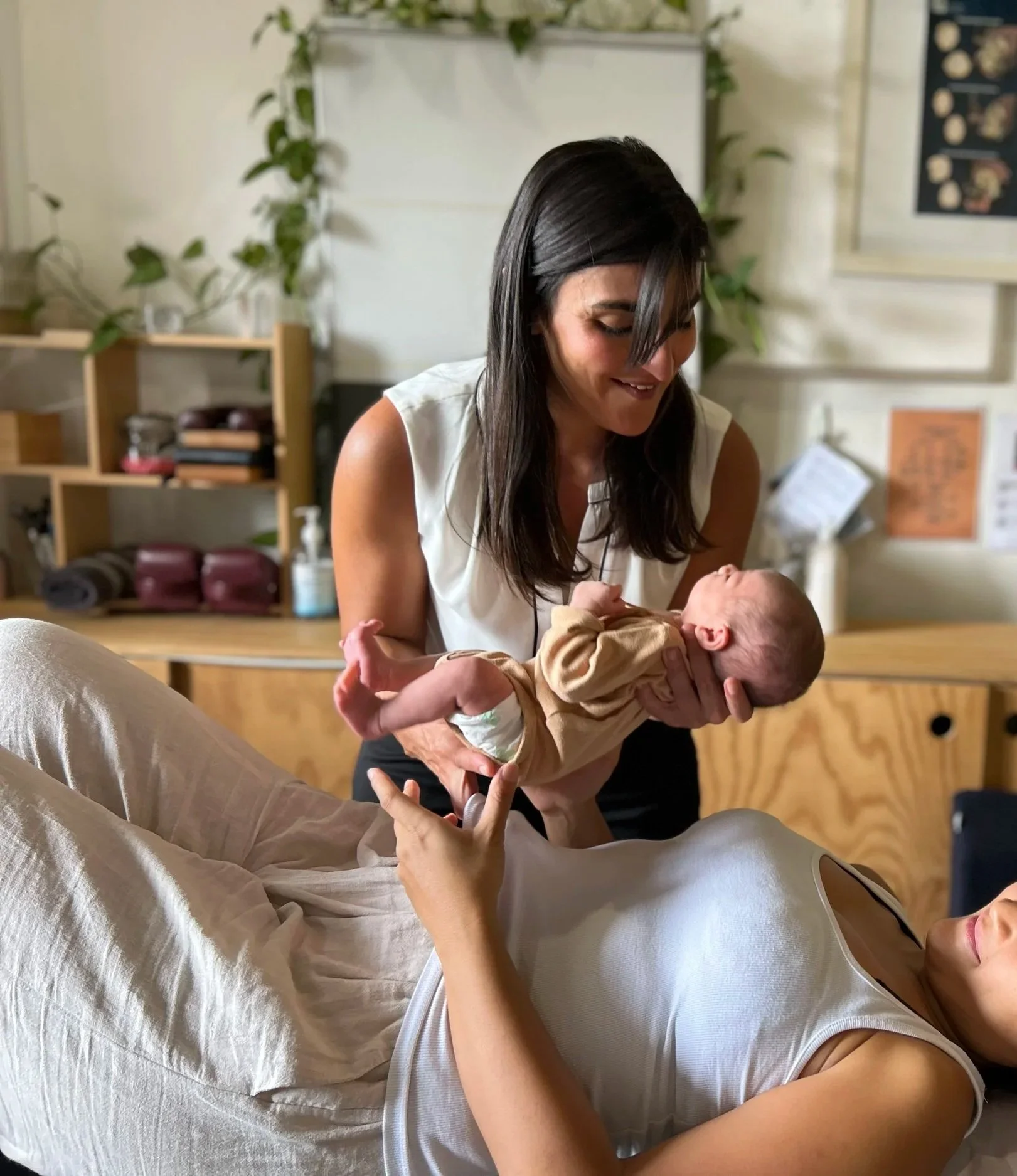
We use sustained, gentle contact — often using no more pressure than you’d use to test the ripeness of a tomato. Most babies sleep, feed, or coo through their adjustment. Some wriggle or cry because they’re communicating, not because they’re in pain.
The goal is to gently unwind tension in the nervous system, cranial membranes, and soft tissues — supporting comfort, digestion, feeding, movement, and rest.
What the research shows
Very low risk of harm
A large systematic review by Todd et al. (2021) reviewed over 50 studies involving chiropractic care for children and infants. Their conclusion:
“No serious adverse events were reported in infants receiving chiropractic care. Minor events (mild fussiness, transient crying) occurred but resolved quickly and without intervention.”
In other words, serious injury is exceptionally rare, and mild side effects are short-lived — if they occur at all.
High parental satisfaction
Studies repeatedly show high satisfaction rates among parents whose infants receive care for issues like colic, feeding difficulty, and unsettled behaviour.
In a study of over 2,000 infant visits across European chiropractic clinics, parents reported significant improvements in crying time, feeding, and sleep after care — with no adverse events recorded (Miller & Newell, 2012).
Clear guidelines and safety protocols
Practitioners trained in paediatric care are guided by:
Age-appropriate assessment
Red flag screening
Co-care and referral when necessary
Gentle, sustained pressure rather than thrusts
Transparent documentation and communication
At Nomad, we follow these protocols every time.
What we assess before adjusting
Before we ever deliver care, we take a full case history and complete a baby-specific assessment, including:
Birth history (length, interventions, complications)
Feeding and digestive patterns
Movement, tone, and reflexes
Cranial symmetry and spinal function
Sleep, crying, and sensory signs
Parent concerns and intuition
We also screen for red flags like high-pitched cries, fever, poor weight gain, or neurological symptoms. If something is outside our scope, we refer immediately.
The developing nervous system is delicate — and adaptable
We work with the nervous system, not against it. That’s why chiropractic care for babies is never about force — it’s about facilitating the body’s own ability to regulate, unwind, and adapt.
When babies experience stress, it often shows up in their:
Head shape and turning preferences
Latch and suck–swallow rhythm
Sleep and startle responses
Movement and muscle tone
Gentle chiropractic care helps reduce the stress signals, so babies can return to ease and regulation.
The Bump & Bub Safety Standards
At Bump & Bub Chiro, our pracritioners:
Use only baby-specific techniques
Take our time — no rushed appointments
Communicate openly with GPs, midwives, and lactation consultants
Encourage questions — and informed decisions
Practice in a way that builds trust, not pressure
We also document thoroughly and keep up with continuing education in infant neurodevelopment, cranial work, and reflex integration.
What parents say
The vast majority of our parents report that:
Their baby was relaxed during care
They saw improvements in feeding, sleep, and ease of settling
They felt safe, listened to, and involved in the process
Some even say, “I wish I’d known this support existed earlier.”
Baby Chiropractic FAQs
1. Why do parents choose chiropractic care for their babies?
Many parents seek chiropractic care to support comfort, movement, and wellbeing in their baby. It’s seen as a natural, gentle option to complement traditional care.
2. How soon can a baby see a chiropractor after birth?
Some families bring their newborns within the first weeks, while others wait until concerns arise. Care is always tailored to the baby’s age and stage.
3. What training do chiropractors have in caring for babies?
Chiropractors complete university training, and many pursue further paediatric education. At Nomad Chiropractic, our chiropractors use gentle, age-appropriate methods.
4. Can chiropractic care replace medical treatment for babies?
No. Chiropractic does not replace medical care. It focuses on gentle support for movement and the nervous system, working alongside other health professionals.
5. What should I expect after my baby’s first chiropractic visit?
Some babies feed, sleep, or relax after care, while others simply carry on as usual. Every baby responds differently, and care is always individualised.
Disclaimer
Chiropractic care does not claim to treat, cure, or prevent medical conditions. The information shared is general and educational. Please consult your GP, paediatrician, or healthcare provider regarding any specific medical concerns for your baby.
Important Considerations
Chiropractic care for infants is gentle, specific, and safe when delivered by a trained professional.
Techniques for babies are vastly different from adult adjustments, involving soft, sustained pressure similar to checking the ripeness of a tomato.
We work collaboratively with other healthcare providers, including paediatricians, IBCLCs, and maternal health nurses, to ensure your baby receives holistic and thorough care.
References:
Todd, A. J., et al. (2021). Safety of chiropractic manual therapy in children: a systematic review. BMJ Open.
Miller, J. E. & Newell, D. (2012). Adverse events and outcomes of chiropractic manual therapy in infants and children: A survey of European chiropractic clinics. Chiropractic & Manual Therapies.
Carnes, D. et al. (2010). Manual therapy for unsettled infants: a systematic review. BMC Pediatrics.
-
Chiropractic care does not claim to treat, cure, or prevent medical conditions. The information provided here is general in nature and for educational purposes only. Please seek advice from your GP, paediatrician, or healthcare provider regarding any medical concerns for your baby.